




How Much Does Interior Design Cost in Atlanta? Budget & Timeline Guide
A practical homeowner guide to design fees, total project budgets, cost drivers, timelines, proposal questions, and Atlanta planning considerations.
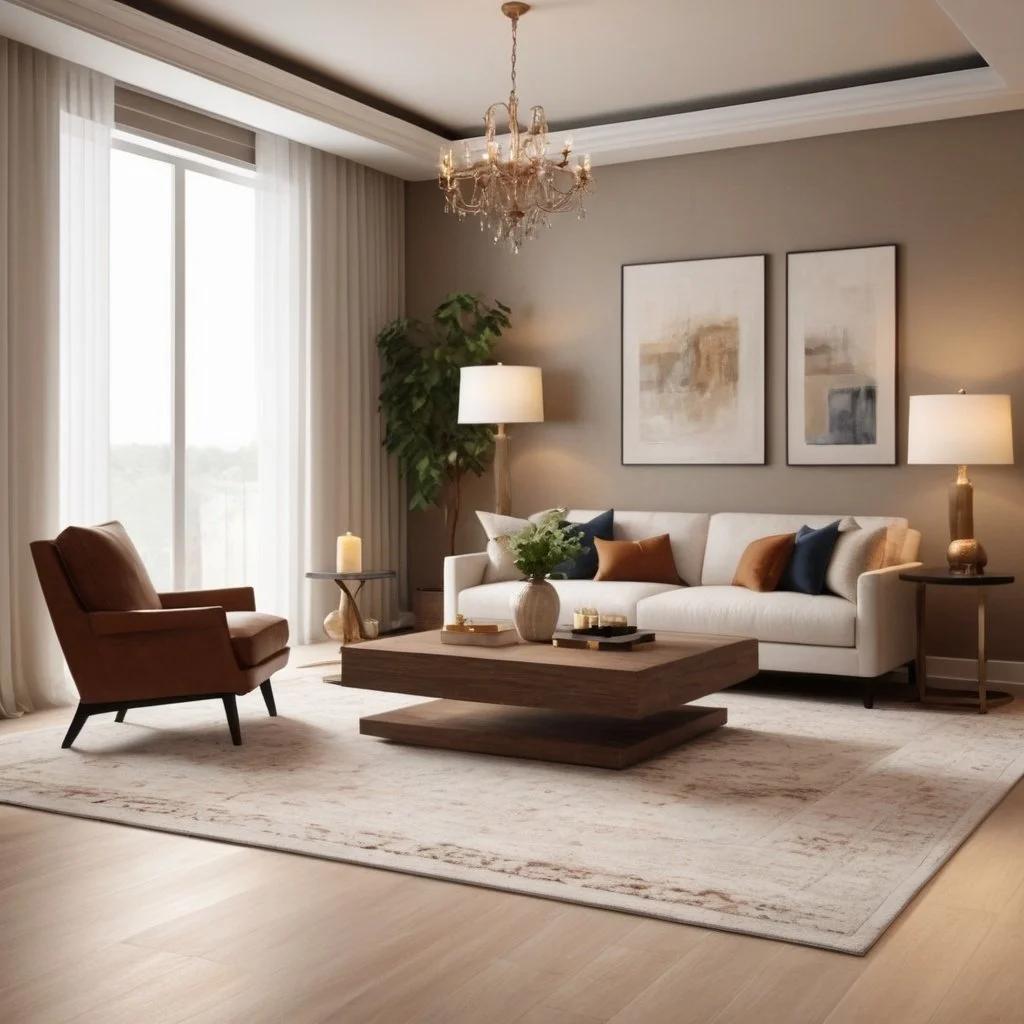
There isn’t one defensible Atlanta-wide price for interior design. The number changes with the rooms involved, the level of service, the designer’s fee structure, the furnishings and materials you select, any construction work, and the logistics required to receive and install everything. VRA Interiors also states that its full-service pricing varies with project scope and complexity and that budget expectations are discussed during the initial consultation. Explore VRA’s full-service interior design in Atlanta to see what that service can include.
A better question is: “What belongs in my total project budget, what decisions will move that budget, and what do I need to know before I sign a proposal?” That gives you a stronger basis for comparing design services and planning a realistic timeline.
How Much Does an Interior Designer Cost in Atlanta?
Two projects in homes a few blocks apart can have very different costs. Furnishing one living room with mostly ready-made pieces is a different assignment from redesigning a kitchen, designing a whole home, specifying custom furniture, coordinating trades, and managing installation.
VRA’s Atlanta page says pricing varies with scope and complexity. That is why a consultation should begin with the rooms involved, the work required, what you plan to keep, your budget target, and any hard deadline—not with an online “average” stripped of those details. The VRA Interiors design process starts by discussing scope, budget, timeline, the service agreement, and the design fee structure.
Start With the Total Project Budget, Not Just the Design Fee
The designer’s fee and the total project budget are not the same thing. A useful budget covers both the professional design work and the physical project itself. Depending on the scope, your total may include the categories below.
| Budget area | What it can include | What to clarify |
|---|---|---|
| Professional design services | Concept development, space planning, selections, drawings or renderings, meetings, revisions, project management, and other services defined in the proposal. | Ask what the fee covers, how changes are handled, and what is billed separately. |
| Furniture, fixtures and materials | Furniture, lighting, rugs, window treatments, tile, countertops, plumbing fixtures, paint, fabrics, hardware, accessories, and other selected items. | Separate must-haves from nice-to-haves and note what you already own. |
| Construction and trades | Contractor work, electrical, plumbing, millwork, flooring, painting, demolition, or other construction-related work when the scope requires it. | Clarify who contracts with the trades and which costs sit outside the design proposal. |
| Procurement and logistics | Ordering, freight, receiving, inspection, warehousing or storage, delivery, and installation as applicable. | Ask how these charges appear and when they are due. |
| Taxes, permits and project fees | Sales tax and any project-specific permit, review, or other required fees. | Confirm what applies to your property and scope rather than assuming. |
| Project uncertainty reserve | A separate amount held for unknowns, changes, or unexpected project conditions. | Choose the reserve with your designer and contractor based on the project—not a generic percentage from the internet. |
Professional design fees
Interior design firms use different fee structures. Better Homes & Gardens’ January 2026 cost guide describes common approaches such as flat or project fees, hourly billing, and per-square-foot pricing. Some projects can also involve separate project-management or procurement-related charges. Those are industry examples, not a statement of how VRA bills a particular full-service project.
Look closely at the scope in each proposal before you compare the headline fee. A lower fee can still leave more work or more costs outside the agreement; a higher fee may include services that another proposal bills separately.
Furnishings, fixtures, materials and finishes

The items and finishes you select can make up a large share of the project cost. VRA’s published process lists examples such as flooring, countertops, tile, lighting, plumbing fixtures, fabrics, furniture, paint, and finishes. The number of rooms, the quantity of pieces, custom work, material quality, and what you keep versus replace all affect the total.
Construction, trades, logistics and installation
A furnishing project and a renovation do not have the same cost structure. Construction introduces trade work, jobsite conditions, and sometimes approvals. Procurement adds another layer: products need to be ordered, shipped, received, checked, stored when necessary, delivered, and installed. VRA notes that furniture procurement may take several weeks and that its turnkey installation phase may take one to five days depending on project size. Those are phase-specific planning notes, not a promise for the entire project.
How Interior Designers Charge: Fee Structures to Understand
You do not need to become an accounting expert before hiring a designer. You do need to understand how the proposal calculates fees for the work and which costs fall outside those fees.
| Fee structure | How it generally works | Question to ask |
|---|---|---|
| Flat or project fee | A defined fee for an agreed scope or phase. | What exactly is included? What counts as a scope change? |
| Hourly | Time is billed at an agreed rate for specified services. | Which activities are billable? How is time tracked and reported? |
| Per square foot | The fee is tied to the size of the space, typically within a defined scope. | What square footage is included and what services are covered? |
| Additional / separate charges | A proposal may treat procurement, project management, revisions, freight, storage, delivery, installation, or other services separately. | Which charges are separate, how are they calculated, and when are they due? |
VRA’s public process says its design fee structure is reviewed during the Discovery Meeting, but it does not publish one universal full-service fee model. For your project, use the signed proposal and service agreement to confirm the actual fee structure.
What Makes an Interior Design Project Cost More or Less?
Project cost changes because the work changes—not because Atlanta has one hidden “going rate.” These are the decisions worth defining early.
| Driver | Budget effect | Timeline effect | Planning question |
|---|---|---|---|
| Number and size of spaces | More rooms and larger spaces usually mean more selections, coordination, and purchasing. | Usually more design and sourcing time. | Which rooms are in phase one? |
| Furnishing vs. renovation | Construction and trade work add costs beyond furnishing and styling. | Trade scheduling and jobsite work add dependencies. | Are we decorating, renovating, or both? |
| Custom vs. ready-made items | Custom millwork, upholstery, furniture, or specialty finishes can cost more than standard options. | Custom production can add lead time. | Where is custom work worth it? |
| Keep vs. replace | Keeping usable pieces can reduce purchasing; replacing more items expands the product budget. | More sourcing and ordering can extend the procurement phase. | What definitely stays? |
| Revisions and scope changes | New rooms, upgraded selections, or redesign after approval can add cost. | Changes can send work back into design, pricing, or ordering. | How are changes approved and billed? |
| Procurement and logistics | Freight, receiving, storage, delivery, and installation can be meaningful budget lines. | Backorders or shipping changes can affect installation readiness. | What logistics are included in the proposal? |
| Construction complexity | Unexpected site conditions or added trade work can increase cost. | Complexity can change sequencing and approvals. | What is known now, and what remains uncertain? |
How to Build a First-Pass Interior Design Budget
Your first budget does not need to be perfect. It needs to be specific enough for a designer to understand what you want the project to include and accomplish. Use the steps below before your first serious proposal conversation.

- List every room or area you want included. If you expect to phase the work, mark what must happen first.
- Define the work in each space: furnishing, styling, renovation, cabinetry, lighting, window treatments, or a combination.
- Write down what stays. Existing furniture, art, appliances, flooring, or cabinetry can change both scope and purchasing needs.
- Separate must-haves from nice-to-haves. This gives the design team a clear place to adjust if the budget tightens.
- Flag construction changes early. Any work involving trades, demolition, layout changes, plumbing, electrical, or built-ins deserves its own budget and schedule discussion.
- Set a total target budget rather than a furniture-only number. Include professional services and the other project categories that may apply.
- Note any fixed date that truly matters, such as a move-in, event, birth, lease change, or travel window. A preference and a hard deadline are not the same thing.
- List known constraints: pets, children, accessibility needs, existing contractor commitments, HOA rules, the logistics of living in the home during the work, or items that must be reused.
- Keep a separate project reserve for uncertainty. The amount should reflect the work and unknowns in your project, not a one-size-fits-all percentage.
- Bring your unanswered questions to the proposal meeting. A good budget becomes more accurate as the scope becomes clearer.
Budget & Timeline Prep Worksheet
Use this as a planning tool before a design consultation. It is not a quote or estimate; its job is to make your scope and constraints visible.
| Planning field | Your notes |
|---|---|
| Rooms / areas in scope | |
| Work needed in each area | |
| Existing items to keep | |
| Items to replace or purchase | |
| Must-haves | |
| Nice-to-haves | |
| Construction / trade changes | |
| Target total project budget | |
| Hard deadline, if any | |
| Known constraints | |
| Biggest unanswered questions |
Why Budgets Change During a Project
Budget change is common enough that it deserves a plan, not a surprise. In the 2026 U.S. Houzz & Home Study, 37% of renovating homeowners surveyed said they exceeded their 2025 budgets, while 35% stayed on target and 3% came in under. Three-quarters said they set an initial budget. This is U.S. renovation data—not VRA client performance or Atlanta-specific designer pricing—but it is useful for understanding where project risk tends to show up.
| Reported over-budget factor | Share among over-budget respondents | Planning response |
|---|---|---|
| Higher-than-expected products or services | 52% | Price and specify major items early where possible; keep room for items that are still unknown. |
| Upgraded materials | 35% | Identify where quality upgrades matter most before final selections are approved. |
| Unexpected project complexity | 32% | Identify site conditions and trade needs early; maintain a project-specific reserve. |
| Scope or design changes | 31% | Use a written change process so added work, products, or rooms are priced before approval. |
| Construction-related issues | 22% | Clarify contractor responsibilities, sequencing, and how jobsite discoveries will be handled. |
A more useful way to plan is to make the moving parts visible: what is approved, what is still an allowance or unknown, what would expand the scope, and who needs to authorize added cost.
How Long Does Interior Design Take?

A project timeline makes more sense when you look at the stages rather than one finish-date promise. VRA publishes a five-part workflow on its design process page: Discovery Meeting, Trade Day, The Design, The Order, and The Results.
-
VRA phase
Discovery Meeting
What happensScope, ideas, budget, timeline, questionnaire, service agreement, and fee structure are discussed. VRA says this meeting generally takes 1–2 hours depending on project size.Timing noteA clear scope here reduces avoidable backtracking later. -
VRA phase
Trade Day
What happensThe team documents the spaces, takes measurements and photos, and may bring in a contractor when needed.Timing noteTrade availability and site access can affect scheduling. -
VRA phase
The Design
What happensPlans, selections, samples, quotes, drawings or renderings are developed and presented; revisions may follow.Timing noteDecision and revision pace matter. -
VRA phase
The Order
What happensApproved items are ordered, received and inspected. VRA says furniture procurement may take several weeks.Timing noteLead times, backorders and shipping changes can move the schedule. -
VRA phase
The Results / Installation
What happensProducts, furniture, art and accessories are installed and crews are coordinated. VRA says this phase may take 1–5 days depending on project size.Timing noteThis is the installation phase, not the entire project duration.
What can extend the schedule
A schedule can stretch when decisions take longer, a revision changes approved work, custom or backordered items are involved, construction uncovers added complexity, or the scope expands. Permit or design-review requirements can also add steps when they apply. Build the schedule around known dependencies and keep room for the parts you cannot control, especially product lead times and construction conditions.
Atlanta Renovation Timing: Permits and Approvals Can Matter
For budgeting and scheduling, the important point is simple: you do not want to discover approval requirements after the design is finished. If they may apply, identify them while the scope is still being defined so the project team can account for them in sequencing and expectations.
What to Ask an Interior Designer About Cost Before You Sign
A proposal should make it clear what you are buying and what could change the price later. Bring these questions to the conversation and get the important answers in writing.
This checklist is practical project-planning guidance, not legal advice. The signed agreement should control the commercial terms for the actual project.
Full-Service or E-Design: Which Model Fits Your Project?
The level of service affects both how much help you receive and how much of the project you manage yourself. VRA offers full-service design for Atlanta-area projects and a separate virtual E-Design service.
| Full-Service Interior Design | VRA E-Design | |
|---|---|---|
| Designer involvement | Broader involvement across design development, selections, procurement/project coordination, and installation depending on scope. | Virtual design guidance and deliverables; the client remains more hands-on with execution. |
| In-person work | Includes in-home consultation and site/project coordination as applicable. | Collaboration is virtual. |
| Purchasing / implementation | Can include procurement, receiving/storage, delivery, installation, and coordination depending on the agreement. | VRA provides a virtual design plan, shopping links, and implementation guidance. |
| Best fit when | You want a designer coordinating more of a substantial furnishing or renovation project. | You want professional design direction but are comfortable taking a more active role in purchasing and implementation. |
If you are comparing the two, look at the actual responsibilities rather than price alone. Review VRA E-Design for the current virtual-service scope, then compare it with the full-service project you are planning.
Ready to Put a Real Scope and Budget Around Your Atlanta Project?
Before you contact a designer, have four things in front of you: the rooms in scope, the work you want done, a total budget target, and any hard timing constraints. Add what you want to keep, where you are flexible, and the biggest unknowns. That gives the conversation something concrete to work with.
If you are planning a full-service project in Atlanta, you can discuss your project with VRA Interiors and use the worksheet and questions above to guide the first conversation.
Frequently Asked Questions
How much does an interior designer cost in Atlanta?
There is no single verified Atlanta-wide price that applies to every project. Cost depends on the rooms and work involved, service level, fee structure, furnishings and materials, construction, procurement, logistics, and project complexity. VRA states that its full-service pricing varies with scope and complexity and is discussed during consultation.
Is the designer’s fee the same as the total project budget?
No. The professional design fee is one budget category. Your total project budget may also include furniture, lighting, materials, construction or trade work, freight, receiving, storage, delivery, installation, taxes, permit-related costs, and a project-specific reserve for uncertainty, depending on the scope and proposal.
How do interior designers typically charge?
Common fee structures include flat or project fees, hourly billing, and per-square-foot pricing. Other charges may be handled separately depending on the firm and project. The important comparison is not only the fee type but also what the proposal includes, excludes, and treats as an additional service or project cost.
How long does full-service interior design take?
VRA says smaller projects may take a few weeks, while full-home designs and renovations can take several months. Procurement alone may take several weeks, and the final installation phase may take one to five days depending on project size. Your full timeline will still depend on scope, construction, product availability, approvals, revisions, and decision speed.
What should an interior design budget include?
Start with professional design services, furnishings and materials, construction or trade work if applicable, procurement and logistics, delivery and installation, taxes or project-specific fees, and a separate reserve for uncertainty. The exact categories depend on your project and on how the designer’s proposal is structured.
What can cause a budget or timeline to change?
Common triggers include upgraded selections, higher product or service costs, unexpected complexity, scope or design changes, construction issues, custom or backordered products, and slow decisions or revisions. The best protection is a clear scope, written change process, visible unknowns, and early discussion of schedule dependencies.
Do Atlanta interior renovation projects need permits?
Some projects may require permits or additional reviews, but the answer depends on the property, scope of work, zoning, and any applicable overlays or historic-district rules. Check the City of Atlanta’s current guidance and confirm the project-specific requirements with the City and the appropriate project professionals before work begins.
Sources
External sources used for numerical, fee-model, and Atlanta permitting context:
- Houzz — 2026 U.S. Houzz & Home Study summary — 2025 U.S. renovation spending and budget-overrun findings.
- City of Atlanta Department of City Planning — Zoning, Development and Permitting Services — Current project-scope, zoning, permit, and review guidance.
- Better Homes & Gardens — How Much Does an Interior Designer Cost? — Updated January 23, 2026; used only for general fee-structure taxonomy.
Last updated: August 18, 2026